ÜBER UNS
A house with history.
A hotel with personality.
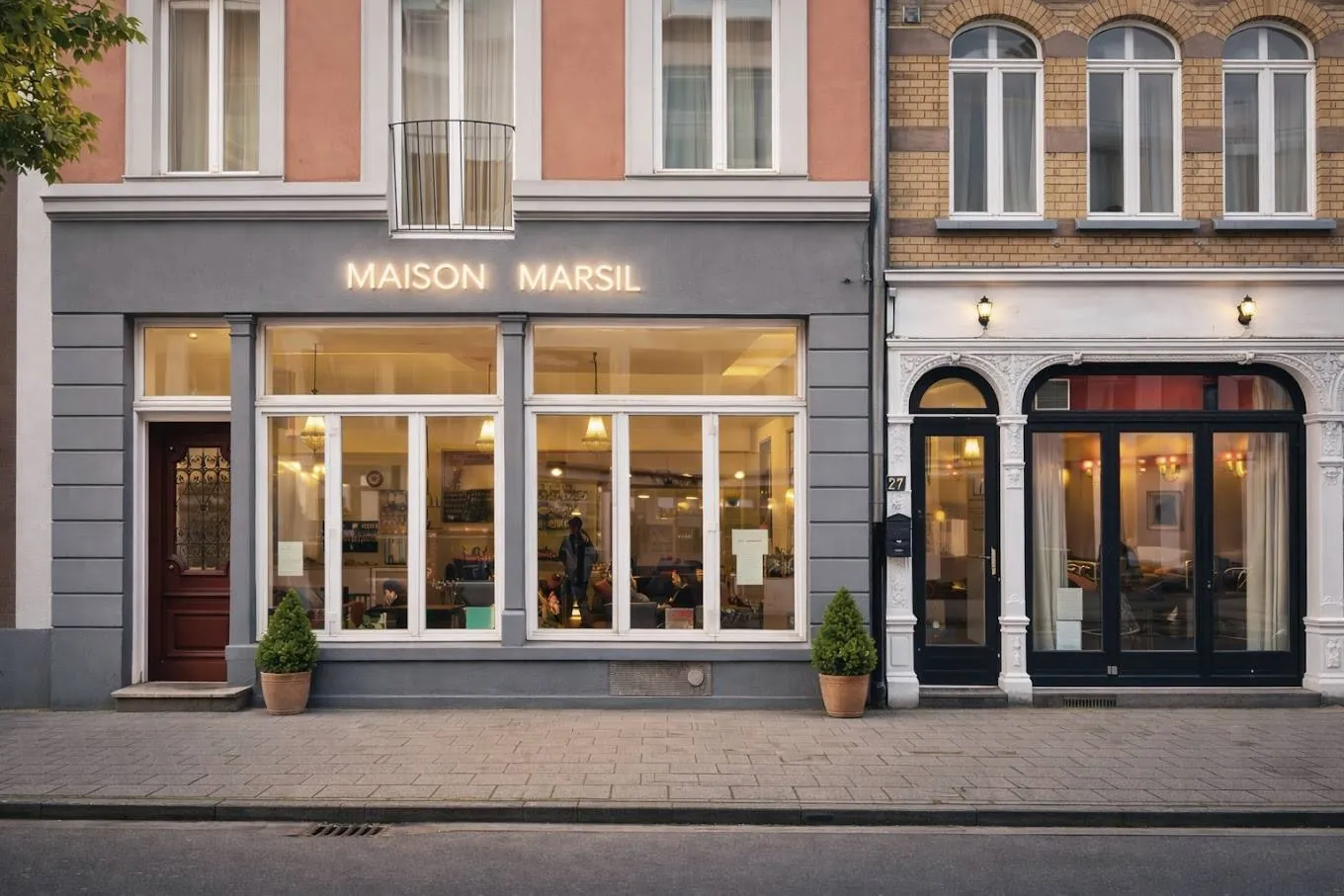
In the heart of Cologne, just a few steps from Neumarkt, Maison Marsil is an individual boutique hotel in a listed building dating from 1897.
Opened in 1999 by Cyrus C. Halabian and Frank Schmitz, Maison Marsil has for over 25 years been a place for people from all over the world: for travellers who want to discover Cologne, as well as international guests from the creative industries, advertising, film, photography, fashion and design.
What connects them is a love of special places, architecture, art and personal connection.
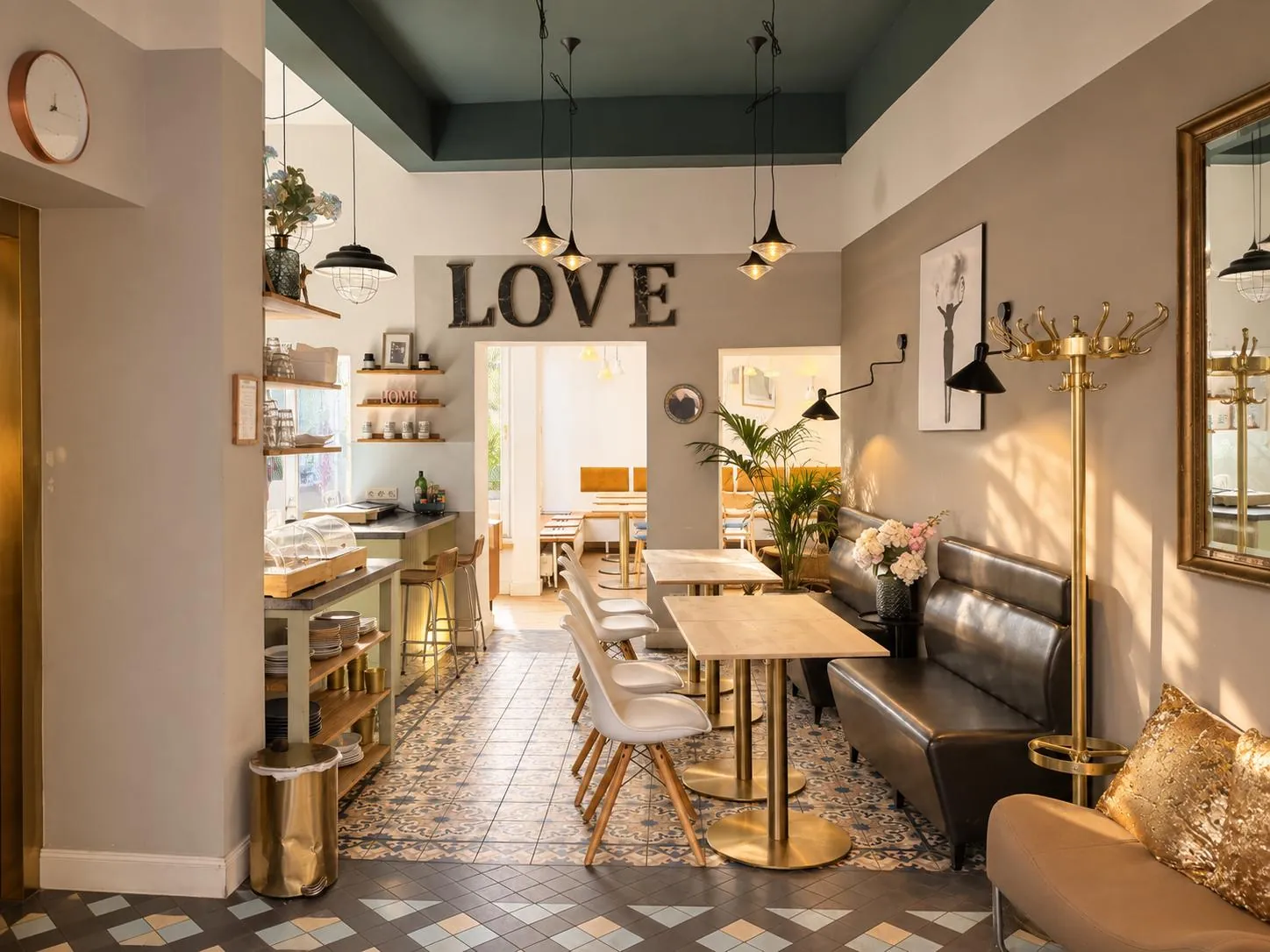
Our rooms and our suite are individually designed, with a feel for colours, materials and small details. Not a standardised hotel concept, but a house with its own character that has changed and evolved again and again over the years.
Maison Marsil is more than a place to sleep. Our Creative Space offers room for meetings, conversations, productions and new ideas. And sometimes the most interesting encounters happen quite incidentally, over breakfast, at the bar or over a glass of wine.
We like hotels that don’t feel like hotels. Places where you enjoy arriving, feel at home and keep coming back to.
Welcome to Maison Marsil.
Marsilius – a name with Cologne history
Our name is closely tied to the history of Cologne. Maison Marsil stands on Marsilstein, a street that recalls Marsilius, a legendary protector of the city.
According to legend, the Roman captain Marsilius saved Cologne in 69 AD from the troops of Emperor Vitellius. With a ruse, he is said to have lured the soldiers into an ambush and retaken the city.
This story lives on in the tradition of the so-called Kölner Holzfahrt, once celebrated on the Thursday before Whitsun.
Marsilius is still present in Cologne’s cityscape today: on the east facade of the historic Gürzenich, his knight figure stands beside that of the Roman city founder Agrippa.
Traces of this old story can also be found around St. Aposteln, very close to us. According to tradition, Marsilius was buried after his death in a coffin at the city wall near St. Aposteln, where the so-called Marsiliusstein is said to have stood.
Who knows, perhaps a piece of this history still slumbers somewhere beneath our listed historic building ensemble.